
Summary:
Spring Home Exterior Maintenance: Post-Winter Recovery and Storm Prep
Spring is your chance to assess winter damage and prepare for the intense storm season ahead. After months of freeze-thaw cycles, your exterior surfaces need attention before Kansas City’s notorious spring weather arrives.
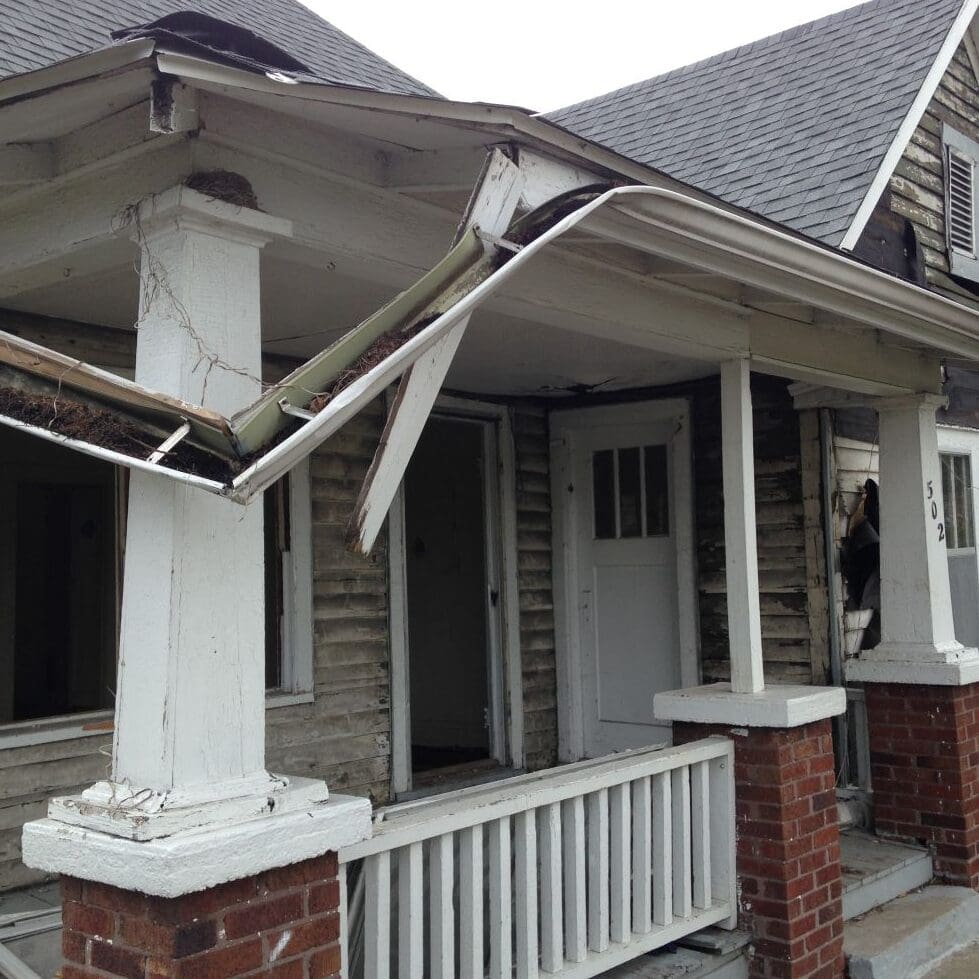
Start with a complete exterior walkthrough in March or early April. Look for loose siding panels, damaged roof shingles, and gutters that may have shifted during winter storms. This is also when you’ll spot any ice dam damage that wasn’t visible while snow covered your roof.
The goal isn’t just cleanup—it’s storm readiness. Your exterior systems need to handle whatever spring throws at them, from sudden hailstorms to those legendary Kansas City deluges that can drop several inches in an hour.
Essential Spring Gutter Cleaning and Roof Inspection Tasks
Your gutters and roof work as a team to protect everything below them. After winter, they need your immediate attention to prevent spring storm damage.
Start with gutter cleaning, ideally in early March before the heaviest rains begin. Remove all debris from winter—leaves that never fell, ice dam residue, and small branches that accumulated during storms. Check that downspouts flow freely and direct water at least four feet from your foundation. Kansas City’s clay soil doesn’t drain well, so proper water direction prevents foundation settling that leads to expensive structural repairs.
While cleaning gutters, inspect your roof from the ground using binoculars. Look for missing, cracked, or curled shingles that winter weather may have damaged. Check roof valleys where debris tends to collect and cause problems. Pay special attention to areas around chimneys, vents, and skylights where flashing may have loosened during freeze-thaw cycles.
Don’t ignore small problems now. A few loose shingles become major leaks when spring storms hit. Gutters that don’t drain properly overflow during heavy rains, potentially damaging siding, foundation, and landscaping. The money you spend on spring maintenance prevents much larger expenses when storm season peaks in April and May.
Professional gutter cleaning services understand local weather patterns and can spot problems you might miss. They also eliminate the safety risks of ladder work, which becomes especially dangerous when dealing with wet spring conditions.

Spring Siding and Window Maintenance for Weather Protection
Spring weather tests your siding and windows with temperature swings, driving rain, and high winds. A thorough inspection now prevents water infiltration that causes expensive damage later.
Walk around your home and examine siding for winter damage. Look for cracks, loose panels, or areas where caulking has failed. Pay special attention to north-facing walls that experienced the most freeze-thaw stress. Check around windows and doors where caulking commonly fails after winter weather. Even small gaps allow moisture penetration that leads to mold, rot, and insulation problems.
Clean your siding using a gentle pressure wash or soft brush with mild detergent. This removes winter grime and helps you spot problems that dirt might hide. Different siding materials need different care—vinyl can handle more aggressive cleaning, while wood siding requires gentler treatment to avoid damage.
Inspect windows for seal failure, especially around frames and where glass meets the sash. Spring is ideal for window maintenance because you can work in mild weather before summer heat makes the job uncomfortable. Check that windows open and close smoothly—winter settling sometimes affects operation.
Replace any damaged caulk around windows and doors. Use high-quality exterior caulk designed for your climate. Kansas City’s temperature extremes require caulk that remains flexible through seasonal expansion and contraction. This simple maintenance prevents air leaks that increase energy costs and moisture infiltration that causes structural damage.
Summer and Fall Home Exterior Maintenance: Heat Protection and Winter Prep
Summer brings different challenges—intense heat, UV exposure, and sudden severe storms that test your exterior systems. Fall requires preparation for winter weather that can damage unprepared homes.
Summer maintenance focuses on heat protection and storm damage prevention. Inspect your roof for heat damage like warped or cracked shingles. Check that attic ventilation works properly to prevent ice dam formation next winter. Clean gutters again if summer storms have deposited debris.
Fall maintenance is all about winter preparation. This is your last chance to address problems before cold weather makes repairs difficult or impossible. Focus on sealing, cleaning, and protecting exterior surfaces that will face months of harsh conditions.
Critical Fall Gutter and Roof Maintenance Before Winter
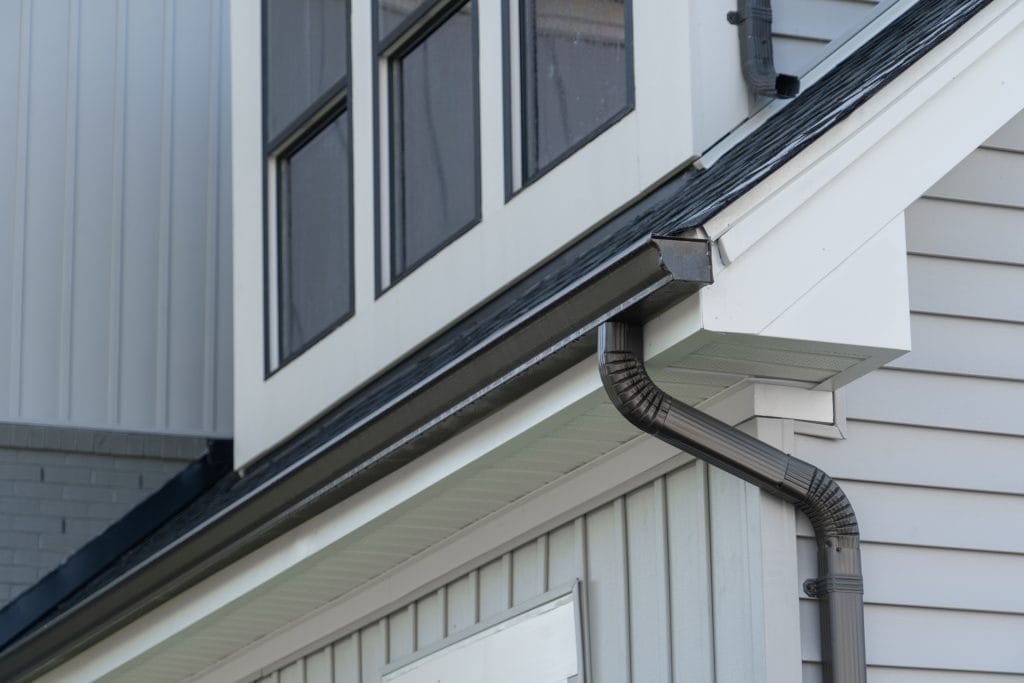
Fall gutter maintenance is absolutely critical in the Kansas City area because of heavy leaf drop from mature oak and maple trees. Clogged gutters cause ice dams in winter, leading to roof leaks and expensive repairs.
Clean gutters thoroughly in late October or early November, after most leaves have fallen but before freezing weather arrives. Remove all debris and flush gutters with water to check for proper drainage. Inspect gutter hangers and brackets—summer heat and fall storms can loosen fasteners that need tightening before winter weather adds ice weight.
Check your roof for loose or damaged shingles that winter weather could worsen. Look for exposed nail heads, cracked shingles, or areas where flashing has separated. Small repairs now prevent major problems when ice and snow add stress to vulnerable areas.
Consider professional gutter guard installation if you’re tired of frequent cleaning. Quality gutter guards reduce maintenance while ensuring proper water flow during heavy rains and snow melt. They’re especially valuable in heavily wooded areas where leaf accumulation is constant.
Trim tree branches that hang over your roof or gutters. Winter ice storms can bring down branches that damage shingles, gutters, and siding. Proper trimming also reduces leaf accumulation in gutters and prevents ice dam formation by improving air circulation around your roof.
Professional fall maintenance services understand local weather patterns and can identify problems that might not be obvious to homeowners. They also have the equipment and expertise to work safely in challenging fall conditions when leaves make surfaces slippery.
Winter Preparation for Siding, Windows, and Exterior Protection
Winter weather in Kansas and Missouri includes ice storms, heavy snow, and extreme temperature swings that can damage unprepared exterior surfaces. Fall preparation prevents most winter problems.
Inspect and repair all exterior caulking before cold weather arrives. Temperature changes cause caulk to crack and fail, allowing moisture infiltration that freezes and expands, causing expensive damage. Pay special attention to areas around windows, doors, and where different materials meet.
Clean windows thoroughly and check for seal failure in double-pane units. Failed seals allow moisture between glass panes, reducing insulation value and requiring window replacement. Fall is the ideal time for window maintenance because mild temperatures make the work comfortable and give you time to schedule repairs before winter.
Protect your siding from winter moisture by ensuring proper drainage around your foundation. Clean out window wells and ensure downspout extensions direct water away from the house. Ice formation near your foundation can cause settling and cracking that affects siding alignment and creates gaps where cold air enters.
Consider professional exterior maintenance services for fall preparation. They understand local weather challenges and can identify problems you might miss. Professional services also eliminate safety risks associated with ladder work in challenging fall conditions when leaves and moisture make surfaces slippery.
Proper fall preparation means your home’s exterior will handle winter weather without expensive emergency repairs. The investment in fall maintenance prevents much larger costs when problems develop during the coldest months of the year.
Year-Round Home Exterior Maintenance: Protecting Your Investment
Consistent seasonal maintenance protects your home’s exterior from Kansas City’s challenging weather while preventing expensive emergency repairs. The key is following a schedule that addresses problems before they become major issues.
Spring preparation focuses on storm readiness and winter damage repair. Summer maintenance addresses heat damage and storm cleanup. Fall preparation protects against winter weather damage. This cycle ensures your exterior systems work properly year-round.
Remember that your home’s exterior systems work together—gutters protect your foundation, siding shields your structure, and your roof covers everything. When one system fails, others suffer damage that multiplies repair costs. Regular maintenance keeps all systems working properly and protects your biggest investment. For comprehensive exterior maintenance that addresses all these systems, we at Heritage Gutter & Exterior Solutions provide the expertise and local knowledge Kansas City area homeowners need to keep their homes protected year-round.