Summary:
How Gutters Protect Your Foundation From Water Damage
Your foundation supports everything. Without it staying stable and dry, the rest of your home is at risk. That’s where gutters come in.
When rainwater pours off your roof without a gutter system to catch it, that water lands right at the base of your home. Over time, it saturates the soil around your foundation, creating pressure, causing cracks, and even leading to shifting or settling. In areas with clay soil—common throughout Kansas and Missouri—this problem gets worse fast.
Foundation repairs aren’t cheap. Nationally, homeowners spend between $2,200 and $8,100 on foundation fixes, with severe cases pushing well over $15,000. A properly installed gutter system prevents that by directing water away from your home’s base before it ever becomes a problem.
Preventing Soil Erosion and Foundation Settling
Soil erosion might not sound dramatic, but it’s one of the sneakiest threats to your home’s stability. Without gutters, rainwater cascades off your roof and hits the ground with force, washing away the soil that supports your foundation.
Think of your foundation as resting on a bed of soil. When that soil gets washed away or weakened, your foundation loses its even support. One section of your house might sink more than another, leading to uneven settling. That’s when you start seeing cracks in your foundation, walls, and ceilings—and those aren’t cosmetic issues.
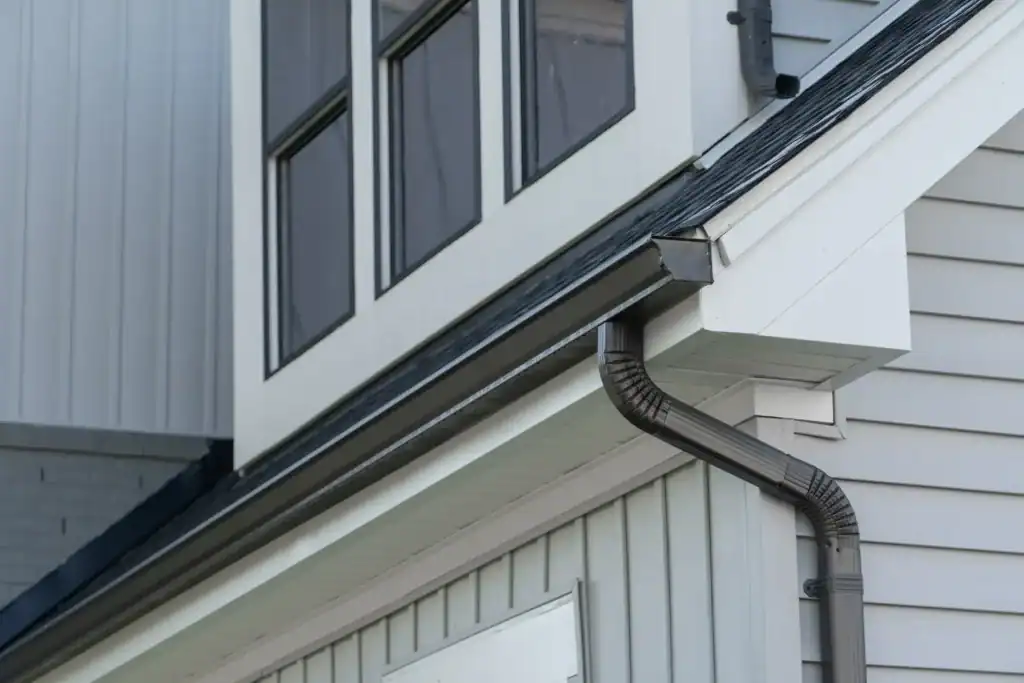
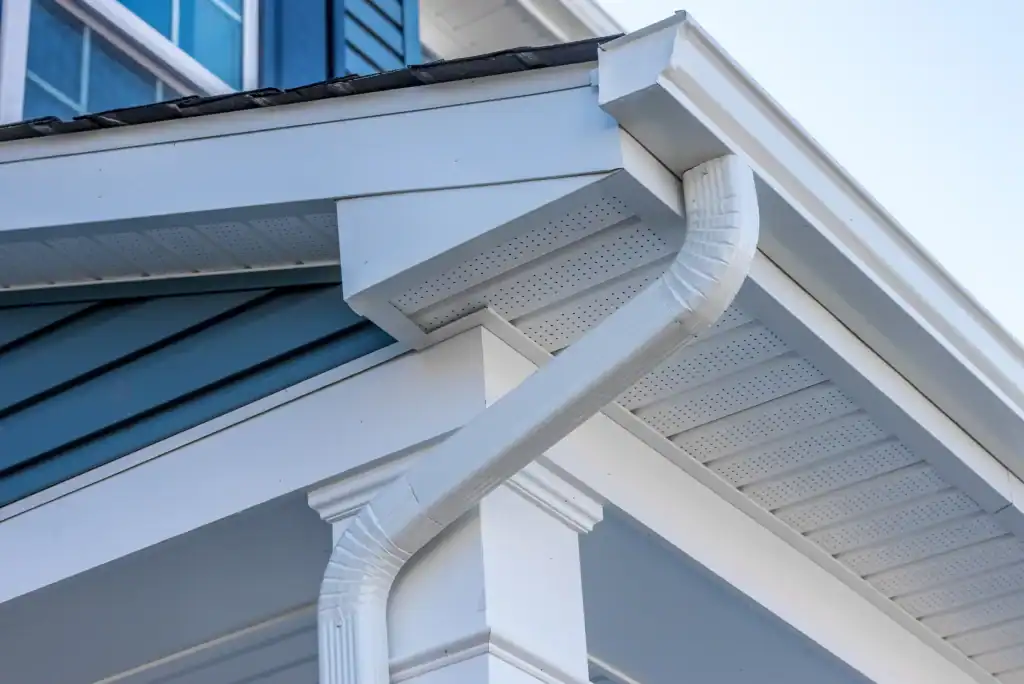
Gutters collect rainwater from your roof’s edge and channel it into downspouts that direct the flow safely away from your foundation. By managing where the water goes, you prevent it from gouging the soil and protect the uniformity of support your foundation needs. It’s a simple system, but it makes all the difference.
Properly functioning downspouts should extend several feet away from your home. If they’re dumping water right next to your foundation, you’re not getting the protection you need. That’s why installation quality matters just as much as having gutters in the first place.
Stopping Basement Flooding Before It Starts
Basement flooding is one of those problems that seems to come out of nowhere—until you realize it’s been building for a while. When gutters are clogged or missing, water pools around your foundation and eventually finds its way inside.
Water seeping into the soil near your basement walls creates hydrostatic pressure. That pressure pushes against the walls, and if there’s any weakness—a crack, a gap, a porous section—water will get through. Once it’s in, you’re dealing with damaged belongings, mold growth, and expensive remediation work.
A well-designed gutter system keeps rainwater from ever reaching that point. It catches the water, moves it through the downspouts, and deposits it far enough from your home that your basement stays dry. No pooling. No pressure. No flooding.
Even if you don’t have a full basement, crawl spaces face the same risks. Standing water under your home can damage wooden support beams, create mold problems, and attract pests. Gutters stop that cycle before it starts.
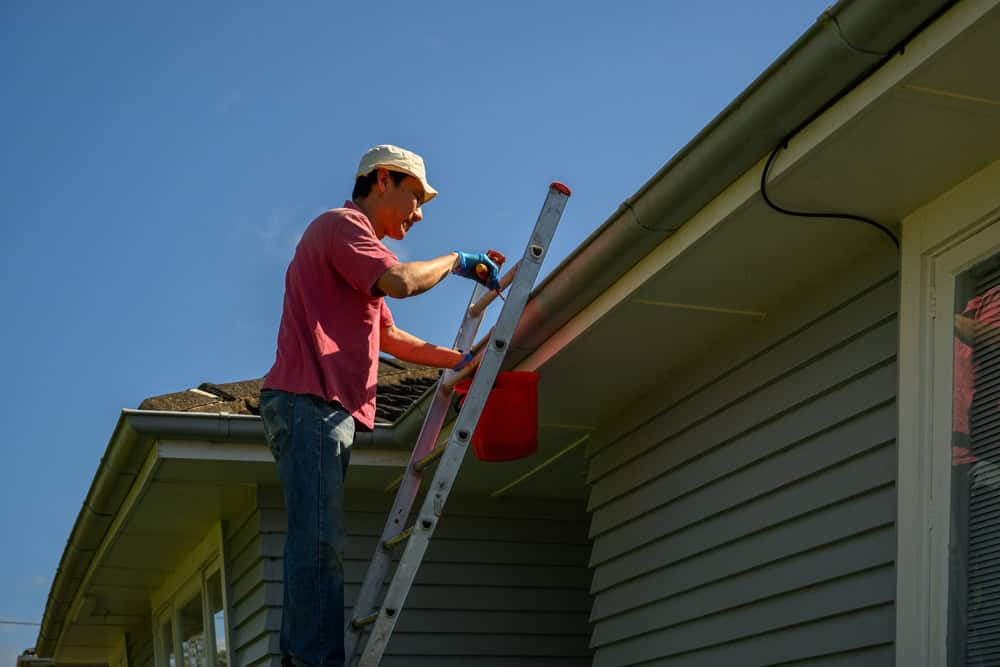
The key is maintenance. Clogged gutters overflow, which defeats the whole purpose. Regular cleaning—or installing gutter guards—keeps water flowing where it should and your basement safe from intrusion.
Gutters Protect Your Roof From Leaks and Damage
Your roof takes a beating from the elements. Rain, snow, wind, and sun all wear on it over time. But when water doesn’t have a clear path off your roof, the damage accelerates.
Gutters prevent water from pooling on your roof or backing up under your shingles. When water sits too long, it finds its way through roofing materials, leading to leaks, rot, and structural damage. In winter, clogged gutters contribute to ice dams—thick ridges of ice that trap melting snow and force water under your shingles and into your home.
A functional gutter system extends the life of your roof by keeping water moving. That means fewer leaks, less rot, and a roof that does its job for years longer than it would without proper drainage.
Preventing Water Backup and Roof Rot
Water backup happens when gutters get clogged with leaves, twigs, and debris. Instead of flowing through the system, water overflows and backs up onto your roof. That standing water seeps into shingles, fascia boards, and roof decking, causing rot and weakening the structure.
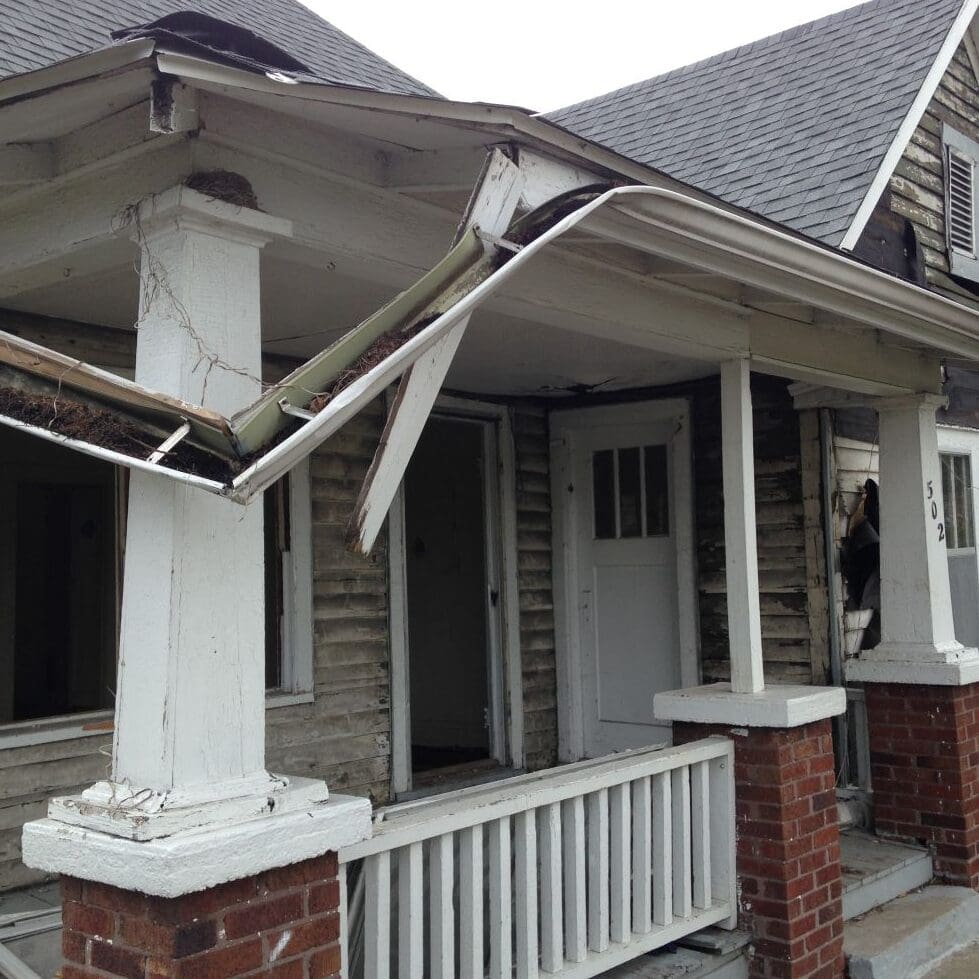
Fascia boards—the boards your gutters attach to—are especially vulnerable. When gutters overflow, water runs down the fascia and soaks into the wood. Over time, that wood softens, sags, and eventually fails. Replacing rotted fascia isn’t just about aesthetics. It’s about maintaining the structural integrity of your roofline.
Gutters also prevent water from dripping down your exterior walls. Without them, water streams down your siding, leading to paint damage, wood rot, and mold growth. Your home’s exterior takes a beating, and the repairs add up fast.
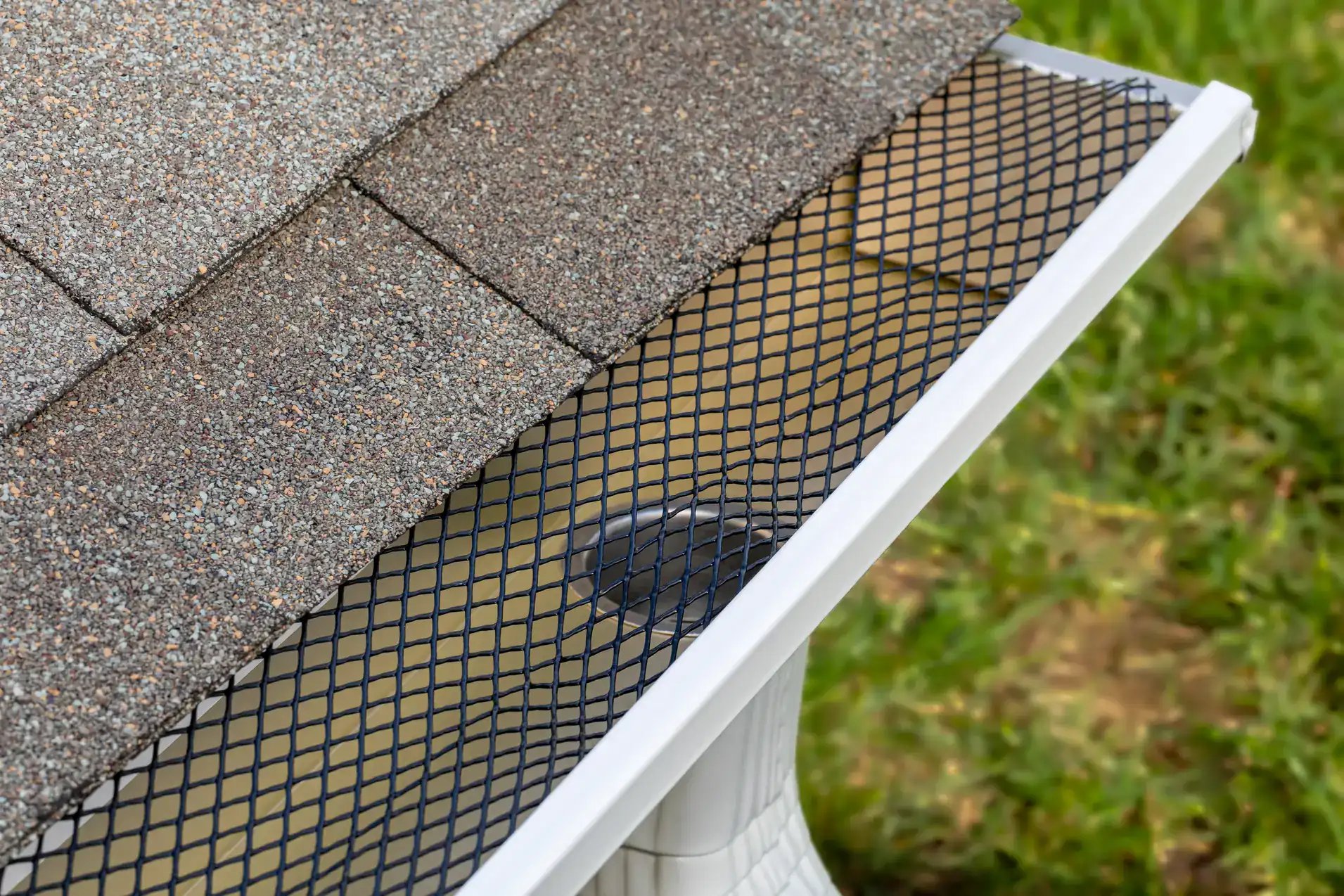
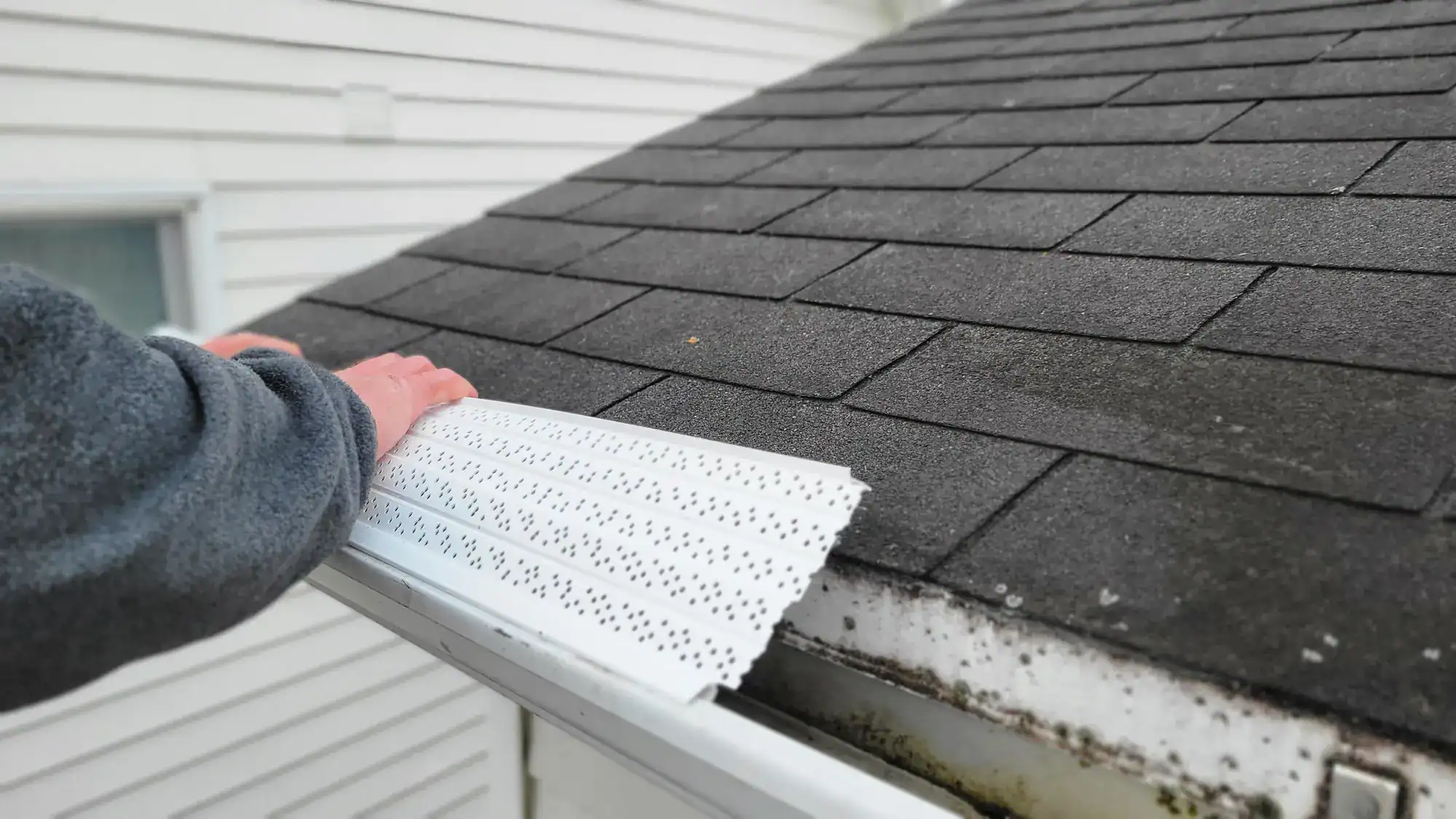
The solution is straightforward: keep your gutters clean and functioning. If you’re in an area with lots of trees—common throughout Kansas and Missouri—consider gutter guards. They block debris while allowing water to flow freely, cutting down on maintenance and protecting your roof year-round.
Reducing Ice Dam Formation in Winter
Ice dams are a winter nightmare for homeowners. They form when snow on your roof melts, runs down to the colder eaves, and refreezes. That ice builds up, creating a dam that traps water behind it. When that water has nowhere to go, it backs up under your shingles and leaks into your home.
Clogged gutters make ice dams worse. When gutters are full of debris, melting snow can’t drain properly. It sits in the gutter, freezes, and creates a blockage that forces water back onto your roof. The result? Interior water damage, stained ceilings, and potential mold growth.
Proper gutter maintenance before winter hits is critical. Clear out leaves and debris in the fall so water can flow freely when temperatures drop. If your gutters are functioning correctly, melting snow drains away before it has a chance to refreeze and cause problems.
In areas like Kansas City, where winters bring freezing rain and snow, this isn’t a minor concern. Ice dams can cause serious damage to roofing materials, gutters, and even the interior of your home. A little prevention goes a long way.
Beyond cleaning, make sure your attic is properly insulated. Heat escaping from your home melts snow on the roof, which contributes to ice dam formation. Combining good insulation with functional gutters gives you the best protection against winter roof damage.
Protecting Your Home Starts With Functional Gutters
Gutters might not be the most exciting part of home maintenance, but they’re one of the most important. They protect your foundation from cracks and settling, keep your basement dry, extend the life of your roof, and preserve your landscaping. When they’re working properly, you don’t think about them. When they’re not, the damage adds up fast.
Regular maintenance—or upgrading to a system that requires less of it—keeps your home protected year-round. Whether that’s cleaning out debris twice a year or installing gutter guards to reduce the hassle, the investment is small compared to the cost of foundation repairs, roof replacement, or landscape restoration.
If you’re in Buchanan County, MO or the surrounding Kansas City metro area, we can help at Heritage Gutter & Exterior Solutions. From expert gutter installation to comprehensive exterior services, we make protecting your home straightforward and stress-free.