
Summary:
Do Gutter Guards Actually Work?
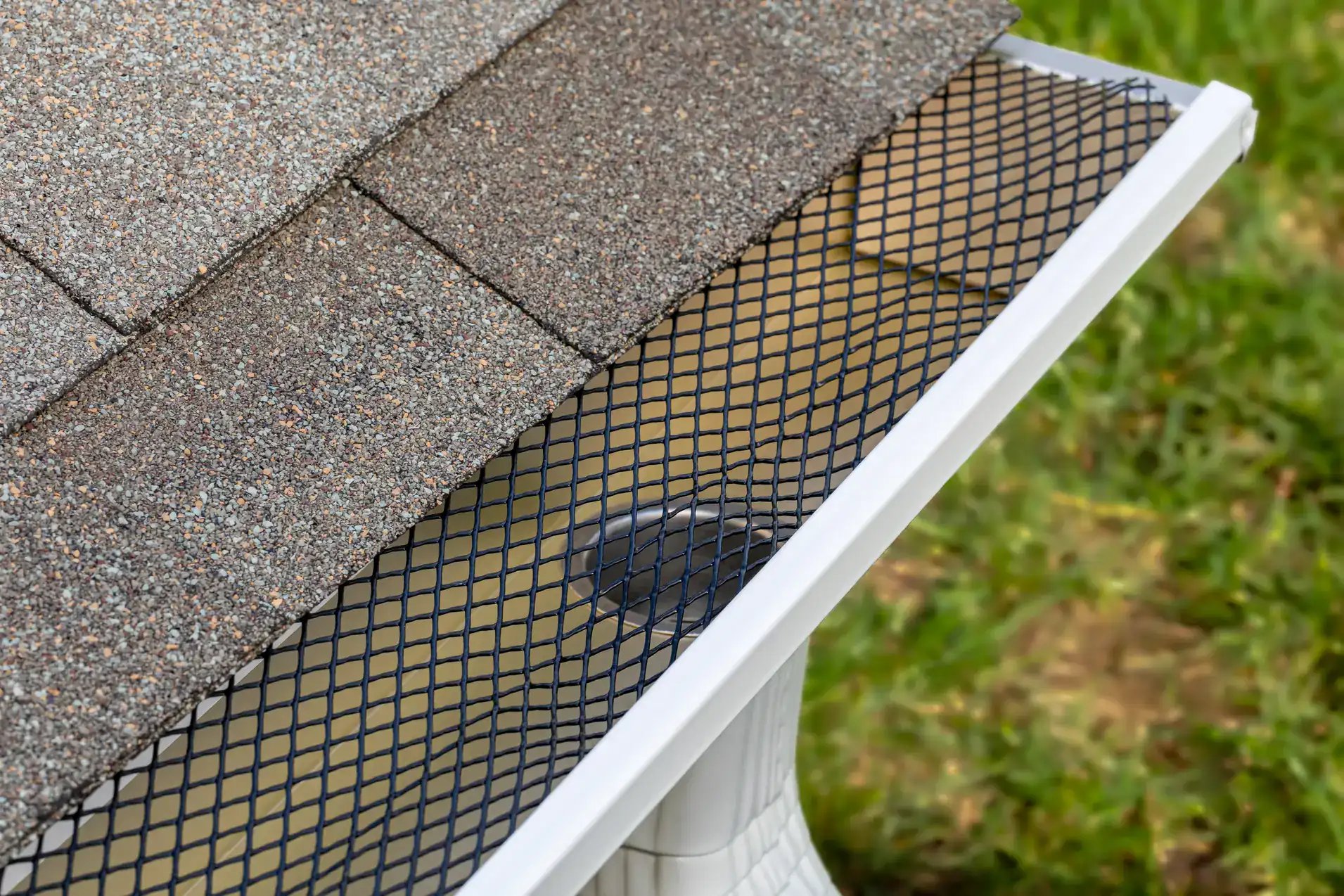
Gutter guards are designed to invite water to flow in while keeping leaves and dirt out. With properly installed covers, gutters only need cleaning a couple times a year instead of frequent manual maintenance. But here’s what the sales pitches don’t always mention: no system eliminates maintenance entirely.
While guards minimize leaf buildup, they reduce maintenance but don’t eliminate it completely. The key is understanding what “reduced maintenance” actually means for your specific situation. In Kansas City, where mature oaks and maples shed massive amounts of leaves from September through November, even the best guards will accumulate some debris on their surface.
The effectiveness depends heavily on your home’s unique conditions: the types of trees nearby, your roof pitch, and local weather patterns all play a role.
Benefits of Gutter Guards for Kansas City Homes
Kansas City receives an average of 42 inches of annual rainfall, and the area’s distinct seasonal patterns create unique challenges from heavy March rains to summer storms and fall foliage. Guards offer several real advantages in this climate.
When gutters stay clear, water flows freely, preventing pooling on your roof or around your foundation. This is crucial during Kansas City’s heaviest rainfall events when oversized systems are needed to handle water volume without overflow. Clean gutters are more likely to stay firmly in place without cracking, extending your gutter system’s lifespan.
Winter protection is another significant benefit. When moisture doesn’t drain properly in winter, it can refreeze at roof edges, creating ice dams that increase leak risk. Gutter guards help prevent this by maintaining water flow. With winters bringing temperatures below freezing and 18 inches of snow annually, guards installed at proper angles shed debris while accepting water, preventing clogs during freeze-thaw cycles.
Safety improvements matter too. For older homeowners in Kansas City or Independence, guards reduce dangerous ladder climbs. Falls are a leading cause of injury, with average costs easily exceeding $30,000 in medical bills. When you factor in the physical risk alongside the financial benefits, the safety aspect alone can justify the investment.
The pest prevention benefit is often overlooked but significant in this region. Kansas City gets more cockroach infestations than much of the country, and debris sitting in gutters attracts roaches that can make their way into homes. Clean gutters eliminate this nesting opportunity.

Drawbacks and Limitations of Gutter Guards
Even quality gutter guards have limitations you should understand before investing. Micromesh systems require scrubbing the surface clean 2-4 times yearly as debris like sap, leaves, pollen, and oak tassels stick to the surface and block holes. Not maintaining this will result in water overflow.
Some homeowners experience challenges with winter ice formation. After January snow, icicles can form along sections, requiring ventilation adjustments or heat cables. This is particularly relevant in Missouri’s climate where the mix of heavy leaf fall, rain, and freeze-thaw cycles creates unique challenges.
Cost is another consideration. Installation costs range from $700-$1,350 for basic foam systems, though experience shows foam usually needs replacement every 2-3 years. Higher-quality systems range from $3.40-$9.20 per linear foot depending on materials and complexity. Guard systems tend to be more expensive than traditional covers, with prices varying based on materials and installation complexity, though long-term benefits and maintenance savings should be considered.
Installation quality matters significantly. Some designs like screens and meshes can worsen problems by trapping debris on top of gutters, leading to more cleaning hassles. Installing guard systems can be complex, often requiring professional expertise for proper fit and functionality.
Not all guards work equally well with different roof types. Steep roofs shed water faster, which some guards handle poorly, while flat or low-slope roofs may not benefit as much. Professional evaluation is critical before deciding.
Keeping Gutters Without Guards: The Manual Approach
Many homeowners choose to maintain bare gutter systems through regular cleaning and inspection. This approach works well if you’re comfortable with the maintenance requirements and understand the ongoing costs involved.
The best cleaning schedule is once in spring and again in fall. Spring gutters fill with winter debris, pollen, oak catkins, maple whirlybirds, and sweetgum flowers, while fall brings overwhelming amounts of leaves and twigs. Gutters should be cleaned at least twice yearly to prevent blockages from leaves, branches, and other debris.
Manual maintenance gives you complete control over your system’s condition and allows you to spot problems early. You can inspect for damage, ensure proper water flow, and address issues before they become expensive repairs.
Real Costs of Manual Gutter Maintenance
Professional gutter cleaning in Kansas City typically costs between $150-$300 per cleaning, and since this happens 2-6 times yearly, costs add up quickly. For typical one or two-story homes, cleaning costs range from $70-$190, with complex and steep roofs costing more.
Let’s look at real numbers. Over 15 years, at $225 per cleaning four times yearly, you’re looking at $13,500 in cleaning costs alone. That doesn’t include the hidden costs of neglect.
Foundation repairs in Kansas City average $4,500-$10,000 for basic work, with complex repairs ranging $15,000-$30,000. Water damage restoration averages $2,700. Flooded basement repairs can cost $4,300 on average, while professional mold remediation ranges $1,000-$9,000 depending on extent.
Time is another cost that’s hard to quantify. Cleaning gutters takes time away from your life, and you need to consider the value of your free time and activities you could be enjoying instead. Even hiring cleaners requires managing appointments and staying on top of regular maintenance schedules.
The safety risk is real. According to the CDC, falls are a leading cause of unintentional injury, and cleaning gutters is inherently risky. Average fall injury costs easily exceed $30,000 in medical bills. For many homeowners, this risk alone outweighs any cost savings from DIY maintenance.
When Manual Maintenance Makes Sense
Manual maintenance can be the right choice in specific situations. If your home has minimal tree coverage and you rarely experience clogging issues, the investment in guards might not provide enough benefit to justify the cost.
When evaluating whether guards are worth it, consider factors like the number of trees surrounding your property, the amount of debris that accumulates, and your willingness to perform regular maintenance. Some homeowners genuinely enjoy the routine of seasonal maintenance and prefer the hands-on approach to home care.
Budget considerations matter too. If you’re dealing with other major home expenses, delaying guard installation while maintaining a strict cleaning schedule can be a reasonable temporary approach. You rarely need the most expensive option, but going for the cheapest may cost more in the long run.
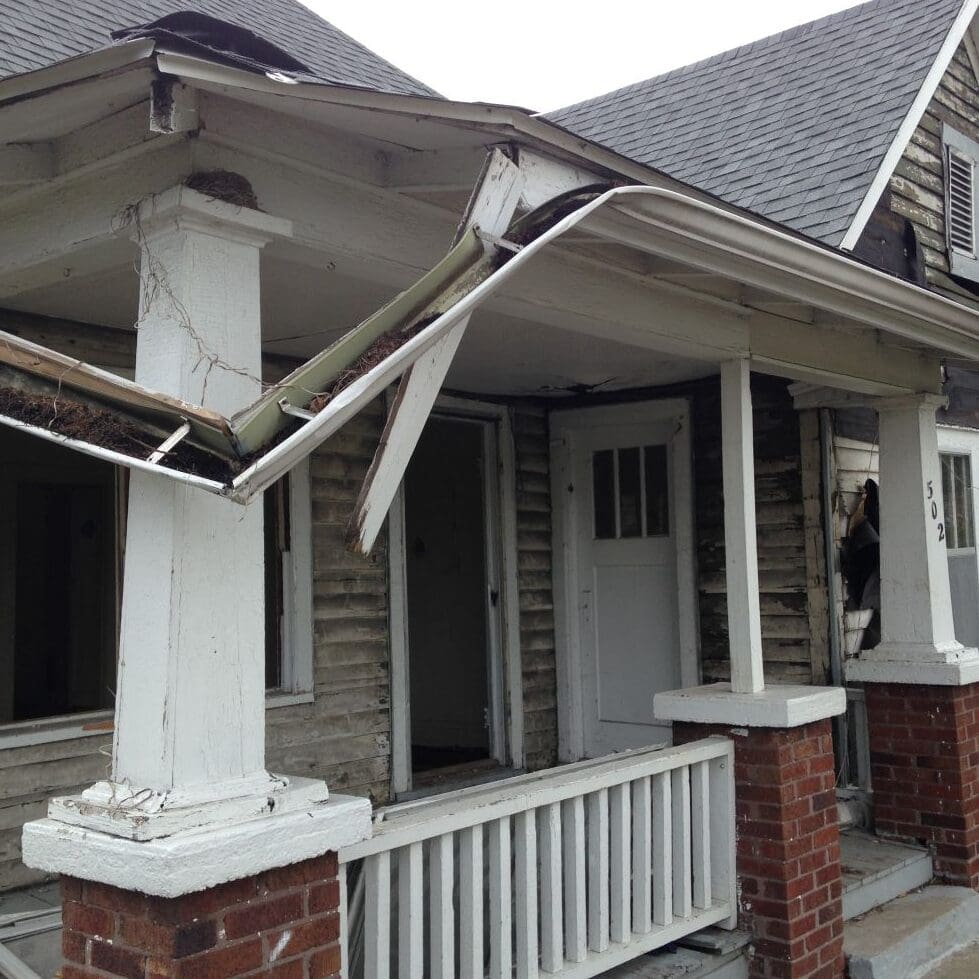
Geographic factors play a role as well. Homes with newer gutter systems in good condition, minimal nearby vegetation, and homeowners comfortable with regular maintenance might reasonably choose the manual approach. However, Kansas City’s weather fluctuates between hot summers, severe thunderstorms, and freezing winters, all testing gutter resilience. When neglected, clogged, or damaged, water pools on roofs, potentially leading to leaks and structural damage, with poor maintenance often preceding more serious problems like roof replacement.
The key is being realistic about your commitment level. If you feel you can’t commit to regular gutter cleaning and don’t want to invest in protection, consider the financial cost when this strategy fails, and it usually does. Inconsistent maintenance often leads to the expensive problems guards are designed to prevent.
Making the Right Choice for Your Home
The decision between gutter guards and manual maintenance isn’t one-size-fits-all. The reality is mixed: guards reduce maintenance but don’t eliminate it, helping during heavy leaf drop but potentially adding challenges in snow. Your choice should align with your home’s specific conditions, your maintenance preferences, and your long-term plans.
Considering Kansas City’s weather patterns and environmental factors, gutter protection can be highly beneficial investments. The city experiences heavy rainfall and severe weather, making effective gutter protection crucial for preventing water damage. By investing in covers or guard systems, you can significantly reduce required maintenance, prolong gutter lifespan, and protect your home from potential water damage.
If you’re leaning toward protection, focus on quality installation and realistic expectations rather than promises of zero maintenance. If you choose the manual route, commit to consistent seasonal cleaning and budget for professional help when needed. Either way, don’t let indecision lead to neglect—that’s where the real problems and expenses occur. For expert guidance tailored to your specific situation, we can assess your home’s needs and recommend the most effective approach for your circumstances.