Summary:
Understanding Different Types of Gutter Guards
Gutter guards fall into six main categories, each using different approaches to keep debris out while allowing water through. The key differences come down to materials, hole sizes, and installation methods.
Screen guards use larger openings and basic materials, making them the most affordable option. Mesh guards step up the filtration with smaller holes. Micro-mesh takes it further with surgical-grade materials and tiny openings that block even the smallest debris.
Then you have foam inserts that sit inside gutters, brush guards that catch debris with bristles, and reverse-curve systems that use surface tension. Each has distinct advantages and limitations that become obvious once you understand how they work.
Screen and Mesh Gutter Guards: The Popular Middle Ground
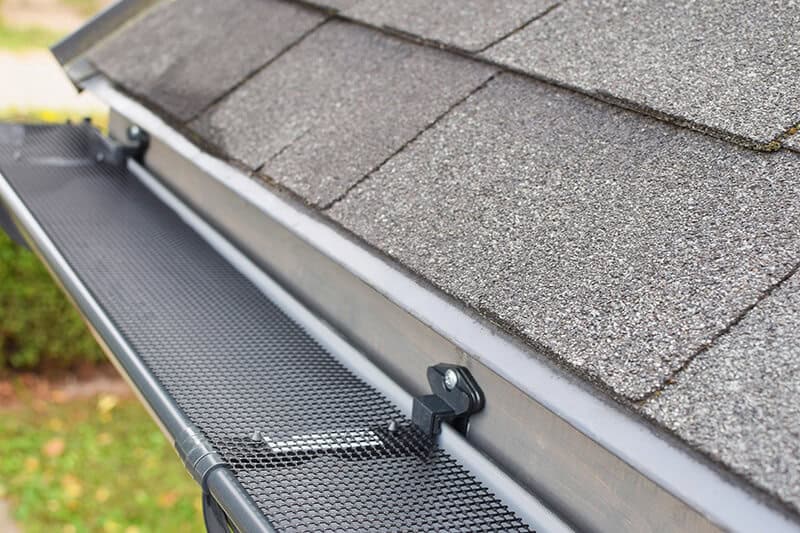
Screen guards are what most people think of first—flat panels with holes that let water through while catching larger debris. They’re widely available at home improvement stores and relatively easy to install yourself.
The holes are typically 1/8 to 1/4 inch, which works fine for blocking leaves and twigs. But here’s where it gets tricky in Kansas City: those sweet gum balls, maple seeds, and pine needles from our abundant trees often slip right through. During heavy spring rains, small debris can overwhelm the system.
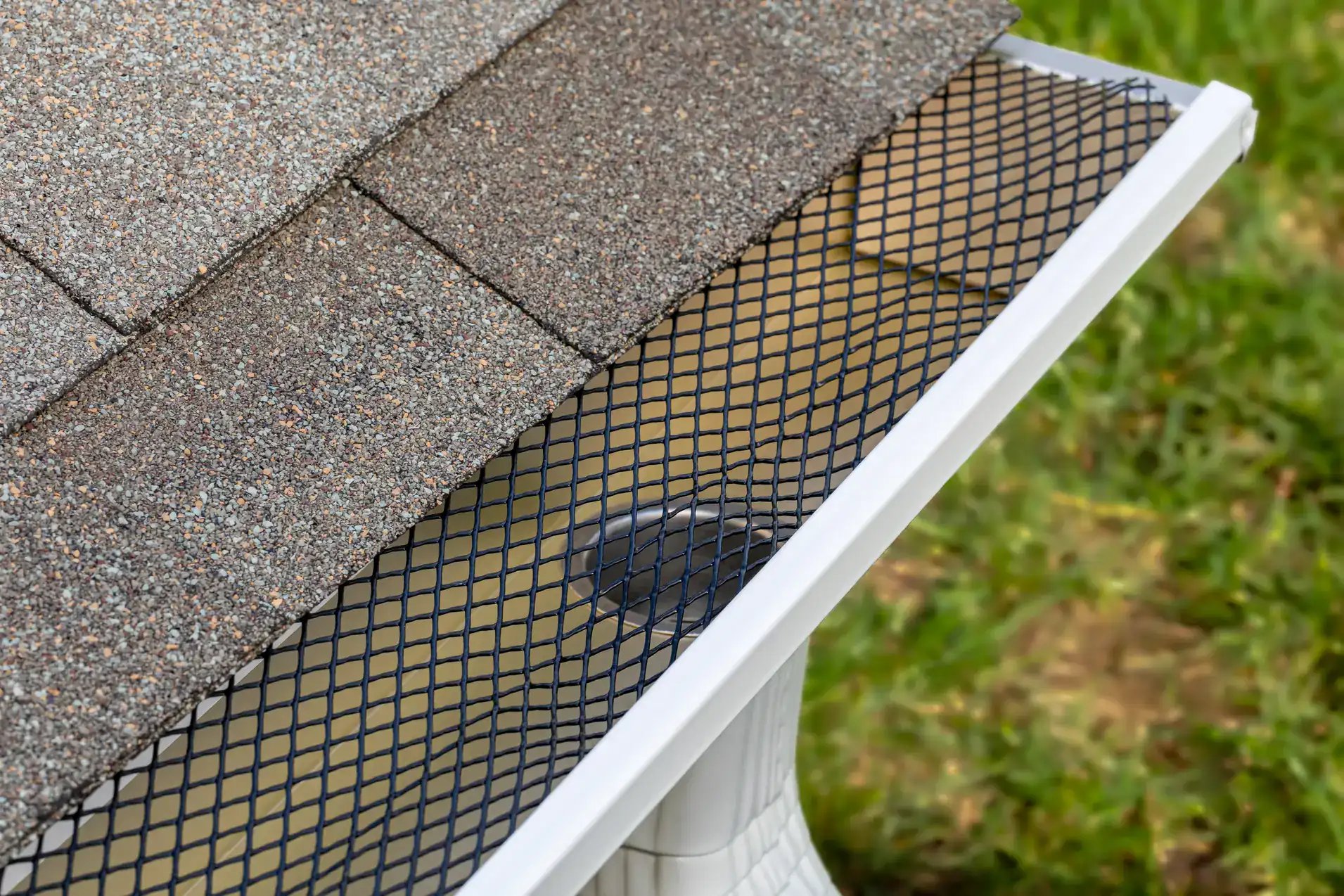
Mesh guards use smaller openings and stronger materials like aluminum or stainless steel. They catch more debris than basic screens but still allow smaller particles through. The trade-off is better filtration with slightly higher costs and more complex installation.
Both types require periodic cleaning—debris accumulates on top and needs brushing or hosing off. In Kansas City’s humid climate, trapped moisture can promote algae growth if maintenance gets neglected. They’re not maintenance-free, but they significantly reduce how often you’re climbing ladders compared to unprotected gutters.
The biggest advantage is cost and availability. You can find quality options for $3-8 per linear foot. The downside becomes apparent during our intense weather—they work well until they don’t, usually during the storms when you need them most.

Micro-Mesh Guards: The Premium Solution That Actually Works
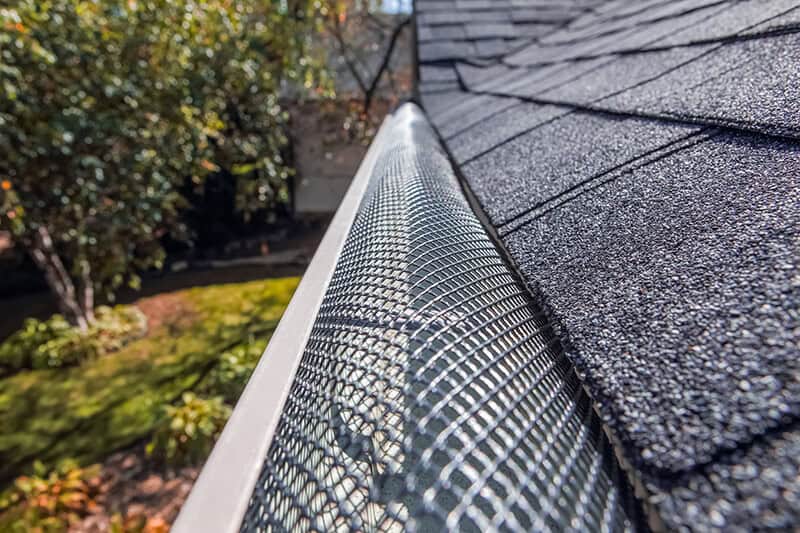
Micro-mesh guards represent the current gold standard for gutter protection. They use surgical-grade stainless steel mesh with openings around 275 microns—small enough to block everything from pine needles to roof grit while still allowing water to flow freely.
The secret is surface tension. Water molecules stick to the tiny mesh openings and get drawn through into the gutter, while debris slides off. This works even during Kansas City’s notorious downpours that can dump 5 inches in 24 hours.
Quality micro-mesh systems like LeafFilter use three-piece construction: the mesh screen, a rigid frame, and structural hangers. This creates a completely sealed system that prevents any debris entry while handling our temperature extremes from below zero to over 100°F.
The performance difference becomes obvious during storm season. While cheaper guards get overwhelmed or clogged, micro-mesh systems keep working. They handle our spring thunderstorms, summer deluges, fall leaf drops, and winter ice formation without failing.
Installation requires professional expertise because proper positioning and attachment are critical. The guards must align with your roof pitch and integrate seamlessly with existing gutters. Done correctly, they’re virtually invisible from the ground while providing decades of protection.
Cost ranges from $15-25 per linear foot installed, making them the most expensive option. But the math works out when you factor in reduced maintenance, prevented water damage, and 20-30 year lifespans. Most manufacturers offer lifetime warranties with clog-free guarantees.
Budget Options: Foam and Brush Guards Reality Check
Foam and brush guards appeal to homeowners looking for inexpensive, DIY-friendly solutions. They’re heavily marketed at big box stores with promises of easy installation and effective protection. The reality is more complicated.
Both types sit inside your gutters rather than covering them. Foam inserts are triangular pieces that fit the gutter channel, allowing water to permeate while theoretically blocking debris. Brush guards use bristles to catch leaves and twigs while letting water flow around them.
The appeal is obvious: low cost ($2-4 per linear foot) and simple installation. You just cut to length and drop them in place. No special tools, no roof work, no professional installation fees.
Why Foam Guards Fail in Kansas City's Climate
Foam guards face serious challenges in Kansas City’s humid, variable climate. The porous material retains moisture, creating perfect conditions for mold, algae, and bacterial growth. This becomes especially problematic in neighborhoods like Brookside and Waldo where humidity levels regularly exceed 80%.
During our intense spring storms, foam can become saturated and actually restrict water flow when you need it most. Instead of helping, the guards create backup and overflow problems. The material also breaks down under UV exposure and temperature cycling, typically requiring replacement every 3-5 years.
Small debris like pine needles and roof granules pass through the foam and accumulate in gutters anyway. You end up with the same cleaning requirements plus the hassle of removing and replacing degraded foam sections.
The biggest issue is what happens during winter. Frozen foam expands and can damage gutters or create ice dams. When spring arrives, you often discover cracked, compressed foam that needs complete replacement.
Kansas City homeowners initially attracted to foam guards’ low cost often find themselves dealing with more problems than solutions. The apparent savings disappear when you factor in frequent replacements and continued maintenance needs.
Brush Guards: Better Than Foam But Still Problematic
Brush guards perform better than foam in Kansas City’s climate but still face significant limitations. The bristles effectively catch larger debris like leaves and twigs, and they don’t retain moisture like foam does.
The bristles create a filtering effect that allows water to flow while trapping debris on top. This works reasonably well during normal conditions and light rainfall. The guards are also easy to remove for cleaning and replacement when needed.
However, Kansas City’s abundant maple and oak trees create problems brush guards can’t handle effectively. Seeds, small twigs, and pine needles become embedded between bristles, gradually reducing water flow. During heavy storms, this restricted flow can cause overflow.
The bristles themselves degrade over time, especially with exposure to our temperature extremes and UV radiation. Brittle, broken bristles lose their effectiveness and can even wash into gutters, creating new blockage problems.
Maintenance becomes more complex than with other guard types. You can’t simply hose off accumulated debris—you need to remove the guards, clean them thoroughly, and reinstall. This defeats much of the convenience factor that makes guards appealing in the first place.
While brush guards cost more than foam ($4-7 per linear foot), they typically last longer and perform better. But they’re still a compromise solution that requires ongoing attention and eventual replacement.
Making the Right Choice for Your Kansas City Home
Your best gutter guard choice depends on your specific situation, budget, and long-term goals. For Kansas City homes dealing with heavy tree coverage and extreme weather, micro-mesh systems provide the most reliable protection despite higher upfront costs.
If budget constraints make micro-mesh unrealistic, quality mesh guards offer a reasonable middle ground with better performance than basic screens. Avoid foam and brush guards unless you’re comfortable with frequent maintenance and replacement cycles.
Consider your home’s specific challenges: roof pitch, surrounding trees, and typical debris load. Professional assessment helps ensure you choose a system that actually works for your situation rather than creating new problems. We can evaluate your needs and recommend the most effective solution for protecting your Kansas City home year-round.