Summary:
How Downspouts and Drainage Protect Your Foundation
Think about what happens during a typical rainstorm. Water hits your roof, flows into your gutters, and rushes down through your downspouts. If those downspouts dump water right next to your house, you’re basically directing hundreds of gallons straight at your foundation.
That’s where the problems start. Water saturates the soil around your foundation walls. In areas with clay soil—like much of Kansas and Missouri—that soil swells when it gets wet, creating pressure against your foundation. Over time, that pressure leads to cracks, bowing walls, and water seeping into your basement.
Proper drainage means getting that water far enough away that it can’t work its way back. It’s not complicated, but it has to be done right.
Why Distance Matters More Than You Think
Here’s a number that matters: six feet minimum. That’s how far water needs to travel away from your foundation before it hits the ground. Ten feet is better.
Why? Because the soil directly around your foundation is disturbed soil. When your house was built, contractors dug out space for the foundation, then backfilled it once the concrete was poured. That backfilled soil is looser than the undisturbed ground farther out, which means it holds water like a sponge.
If your downspouts release water within that zone, you’re essentially filling a moat around your house. The water sits there, soaking into the ground, and eventually finds its way through cracks or joints in your foundation. You might not see it happening, but your basement will tell you soon enough.
The farther out you can move that water, the better. Longer distances also give you more slope, which means the water drains faster and doesn’t sit in the pipe. In winter, that means less chance of freezing. In warmer months, it means no stagnant water breeding mosquitoes or giving off that swamp smell.
Some homeowners assume a basic splash block under the downspout is enough. It’s better than nothing, but most splash blocks only move water two to three feet away. That’s still too close. You need extensions, buried lines, or a combination of solutions to get water out of the danger zone.
And if you’re in an area with heavy spring rains—which describes most of Kansas and Missouri—you need a system that can handle high volume fast. A short downspout that works fine in light rain can overflow during a storm, sending water right back where you don’t want it.
What Happens When Drainage Fails
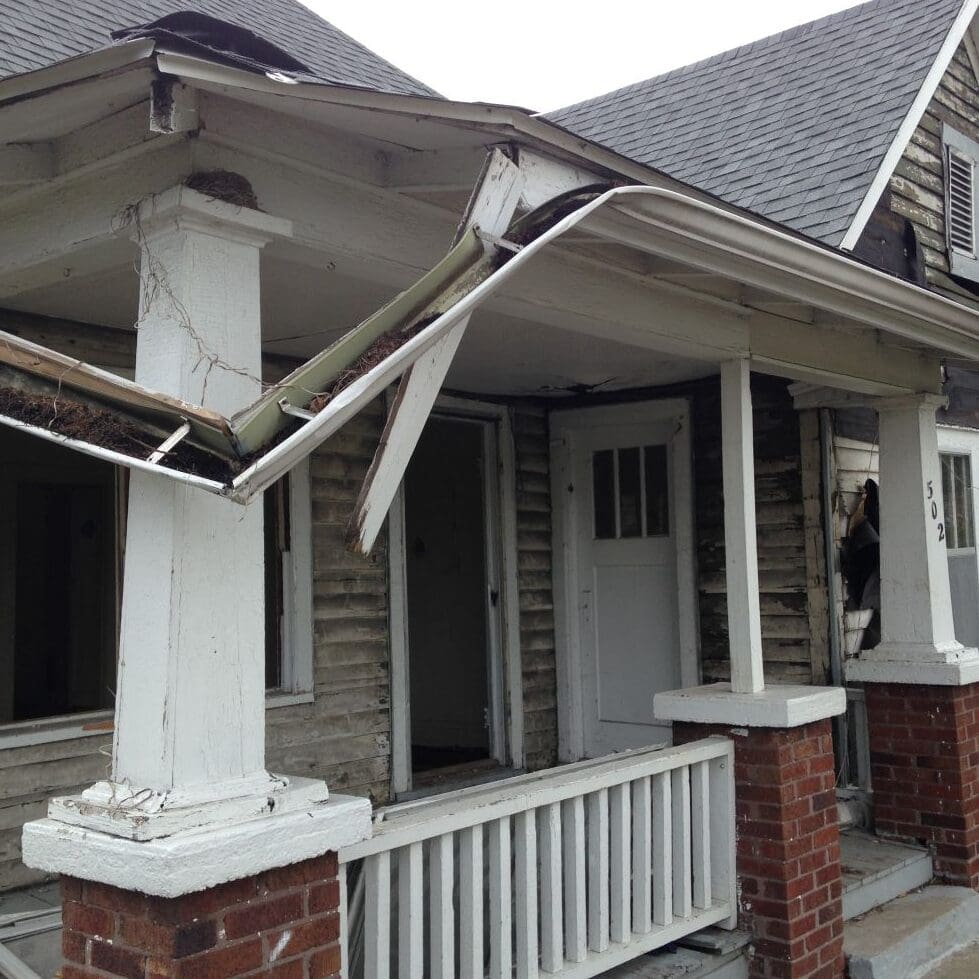
Water doesn’t give you a lot of warning. By the time you notice damp spots on your basement walls or cracks in your foundation, the damage has been building for a while.
Here’s what poor drainage actually causes. First, hydrostatic pressure. When water saturates the soil around your foundation, it creates pressure on those walls. Concrete is strong, but constant pressure will eventually cause it to crack or bow. Once you have cracks, water has a direct path inside.
Second, basement flooding. If your gutters overflow or your downspouts dump water too close to the house, that water pools at the base of your home. It seeps through any weak point it can find—cracks in the slab, joints between the wall and floor, even through porous concrete itself. You end up with standing water, mold growth, and ruined belongings.
Third, soil erosion and settlement. Water flowing along your foundation washes away soil, creating voids under your footings or slabs. That leads to settling, which causes cracks in walls, sticking doors and windows, and uneven floors. Foundation repair is expensive—often running into the thousands—and it’s almost always preventable with proper drainage.
Fourth, landscaping damage. Water that doesn’t drain properly erodes your yard, kills grass and plants, and creates muddy low spots that never seem to dry out. It’s not just ugly; it’s a sign that water isn’t going where it should.
Clay soil makes all of this worse. If you’re in the Kansas City area or anywhere with heavy clay content, you know how poorly it drains. Clay expands when wet and shrinks when dry, which means your foundation is constantly dealing with shifting pressure. Proper drainage keeps the moisture level more consistent, which reduces that expansion and contraction cycle.
The good news is that most of these problems are fixable. The key is understanding what your property needs and making sure water has a clear path away from your house.
Downspout Extensions and Splash Blocks Explained
Once you understand the problem, the solutions start to make sense. You have several options for moving water away from your foundation, and each one has a place depending on your property, your budget, and how much water you’re dealing with.
Let’s start with the simplest: splash blocks. These are angled trays—usually concrete or plastic—that sit under your downspout and spread water out over a wider area. They help prevent erosion right at the outlet and give water a little push away from the house.
Splash blocks work for light rain and properties with good natural slope. But they’re limited. Most only extend two to three feet, which isn’t far enough if you have clay soil or a flat yard. They also get knocked around by lawnmowers, pets, or heavy rain, so they require regular adjustment.
Downspout Extensions: Flexible and Fixed Options
Downspout extensions give you more distance. These are pipes or hoses that attach to the bottom of your downspout and carry water farther out into your yard.
Flexible extensions are made from corrugated plastic or heavy-duty vinyl. They’re inexpensive—usually $10 to $50—and easy to install. You can bend them around obstacles, and some roll up when you’re not using them, which makes mowing easier. The downside is they’re visible, they can kink or get damaged, and they’re not the most attractive addition to your landscaping.
Fixed extensions are made from metal or rigid plastic. They’re more durable and look cleaner, but they’re also more permanent. Some have hinges so you can flip them up when you need to mow or access that area. These work well if you have a clear path for the water and don’t mind the extension being visible.
Both types get water farther from your house, which is the whole point. Aim for at least four to six feet, but longer is better. Just make sure the extension slopes downward so water doesn’t pool inside the pipe.
Above-ground extensions have one major drawback: they’re in the way. You have to mow around them, they can be tripping hazards, and they’re not doing much for your curb appeal. That’s where buried options come in.

Underground Drainage: The Long-Term Solution
Buried downspouts are the most effective way to manage roof runoff. They’re exactly what they sound like: pipes buried underground that carry water from your downspouts out to a safe discharge point away from your house.
Here’s how they work. You dig a trench from your downspout out to wherever you want the water to go—a low spot in your yard, a drainage ditch, a dry well, or a pop-up emitter. You lay solid pipe in the trench with a slight downward slope (about a quarter inch per foot), connect it to your downspout, and bury it. The water flows underground and comes out far from your foundation.
The benefits are significant. You get water 10, 20, even 50 feet away from your house, which eliminates the risk of foundation damage. The system is invisible, so it doesn’t interfere with mowing or landscaping. And if you get the slope right, the pipe drains completely after each rain, which prevents freezing in winter and stagnant water in summer.
The tradeoff is cost and effort. Digging trenches is labor-intensive. You need to call 811 before you dig to make sure you don’t hit utility lines. And buried systems require maintenance—if debris gets into the pipe, it’s harder to clean out than an above-ground extension.
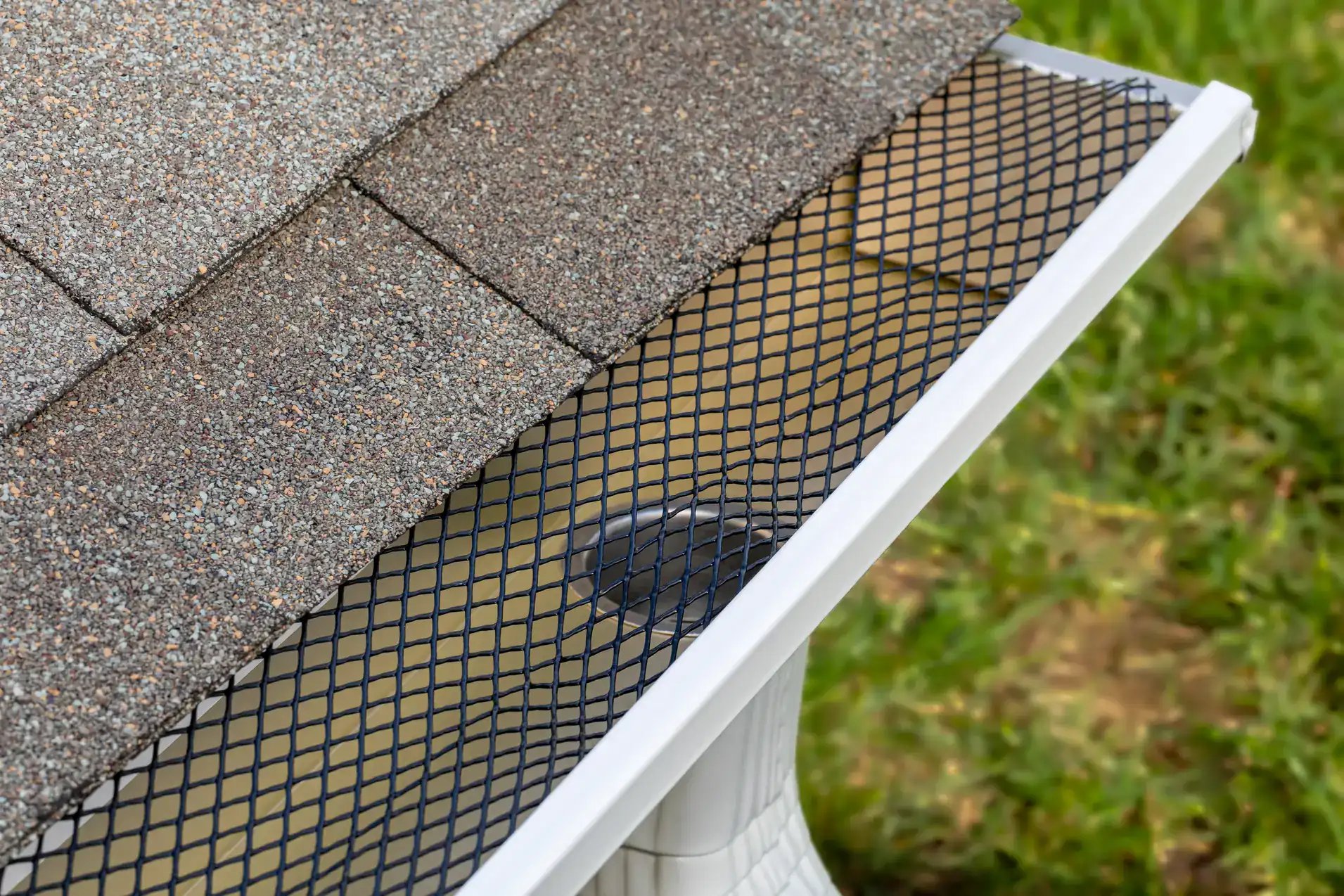
That’s why it’s critical to keep your gutters clean if you have underground drains. Leaves and debris that wash down from clogged gutters will eventually clog your buried pipes. Installing gutter guards before you put in underground drainage is smart insurance.
Another option is a pop-up emitter at the end of your buried line. These are spring-loaded caps that sit flush with the ground until water pressure opens them. The water flows out, then the cap closes again. They’re low-profile and effective, and they keep critters and debris out of your pipe when it’s not raining.
For properties with heavy clay soil, solid pipe is better than perforated pipe. Perforated pipe is designed to let water seep out along its length, which works great in sandy soil. But clay doesn’t absorb water well, so perforated pipe just creates wet spots along the trench. Solid pipe carries the water all the way to the discharge point where it can drain properly.
Protecting Your Home Starts with Proper Drainage
Your downspouts and drainage system aren’t glamorous, but they’re doing critical work every time it rains. Getting water away from your foundation prevents thousands of dollars in damage and gives you peace of mind when the forecast calls for storms.
Whether you need simple extensions, splash blocks, or a full underground drainage system depends on your property, your soil, and how much rain you typically get. The key is making sure water travels far enough away that it can’t work its way back to your foundation.
If you’re dealing with water pooling near your house, basement dampness, or you’re just not sure your current setup is doing the job, it’s worth having a professional take a look. We work with homeowners throughout the Kansas City area to design drainage solutions that actually work for the long term. Sometimes the fix is simple; sometimes it requires a more comprehensive approach. Either way, it’s easier to address now than after water has already caused damage.