Summary:
Aluminum vs Copper Gutters: Material Comparison
When it comes to gutter materials, aluminum and copper dominate the residential market for good reason. Each offers distinct advantages, but they serve different needs and budgets.
Aluminum gutters are the top choice for most homeowners, especially in areas with unique weather patterns like Missouri’s River Valley region. They’re lightweight, affordable, and effectively handle temperature extremes from scorching summers to freezing winters while resisting rust and corrosion.
Copper gutters provide beauty and character to a home, often seen on historic properties where they age naturally and slowly develop a patina that enriches curb appeal. But there’s more to consider than just appearance.
Aluminum Gutters: Pros, Cons, and Real-World Performance
Aluminum gutters are remarkably well-priced and dependable, with the material being lightweight which makes installation easier and allows for customization. Aluminum gutters last 20-30 years, are lightweight, and resist rust, making them a durable choice for many homes.
The practical benefits extend beyond just longevity. Their lighter weight means they resist gutter sagging and stay in place longer, helping keep water flowing to the right place. Aluminum gutters can also handle high volumes of water, so you won’t worry about overflow during heavy rainstorms.
However, aluminum isn’t perfect. Aluminum is susceptible to thermal damage in hot environments, and high or quickly changing temperatures can be harmful. Given their relatively lightweight nature, aluminum gutters are more prone to developing dents and getting damaged by trees, heavy branches, and weather conditions.
Despite being affordable and durable, aluminum gutters are very sensitive to significant temperature changes, and if temperature differences between night and day are high in your area, they may suffer damage and can get dents and leaks more easily. Aluminum gutters also require semi-regular maintenance, needing reapplication of enamel coating to avoid rusting.
For most homeowners, these drawbacks are manageable compared to the benefits. Most modern homes today have aluminum gutters installed due to their dependable durability, low maintenance, fewer leaks, and fair pricing. On average, aluminum gutters cost between $6-$9 per foot, making them accessible for most budgets.
Copper Gutters: When Premium Materials Make Sense
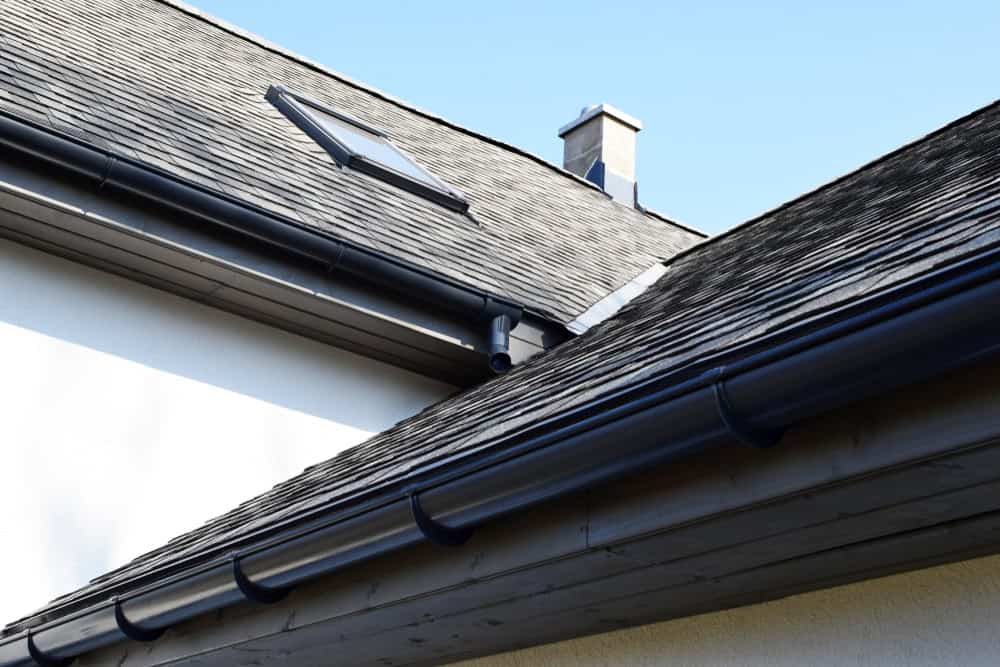
Copper gutters are known for their elegance and longevity, considered a premium choice due to their high aesthetic appeal and durability. They develop a beautiful patina over time, enhancing visual appeal and are often used in historic or upscale homes where aesthetics play a significant role.
The performance advantages are substantial. Copper gutters are exceptionally durable with a long lifespan, can withstand harsh weather conditions, and are resistant to rust and corrosion. Copper gutters last 30 to 75 years more than aluminum gutters, with copper regularly lasting over 50 years while aluminum tends to give in within 30 years.
Copper gutters require minimal maintenance, as they do not require painting or sealing. Copper is a low-maintenance gutter material that doesn’t need repainting and is typically durable enough to withstand most weather conditions and fallen branches.
But premium performance comes with premium costs. Copper gutters are significantly more expensive than other gutter materials, with the premium price due to the high-quality material and aesthetic value they bring. Copper gutters cost $35-$45 per foot compared to aluminum’s $6-$9 range.
Copper gutters are usually made to order for your home, which can be beneficial since there are often no seams or potential leak places, but it also means you need to find a craftsman who can work with copper and manufacture gutters specifically for your home, adding time and expense. Copper is more difficult to work with because it requires additional soldering at joints, so you need an installer who has worked with copper extensively, which increases turn time and price.
The investment makes sense for certain situations. If your area is prone to hailstorms, it may be best to go with the more durable copper gutters than aluminum ones. For homeowners planning to stay in their homes long-term and wanting the ultimate in durability and aesthetics, copper delivers unmatched performance.
Seamless vs Sectional Gutters: System Design Matters
Beyond material choice, how your gutters are constructed affects their performance, maintenance needs, and longevity. The two main approaches—seamless and sectional—offer very different experiences for homeowners.
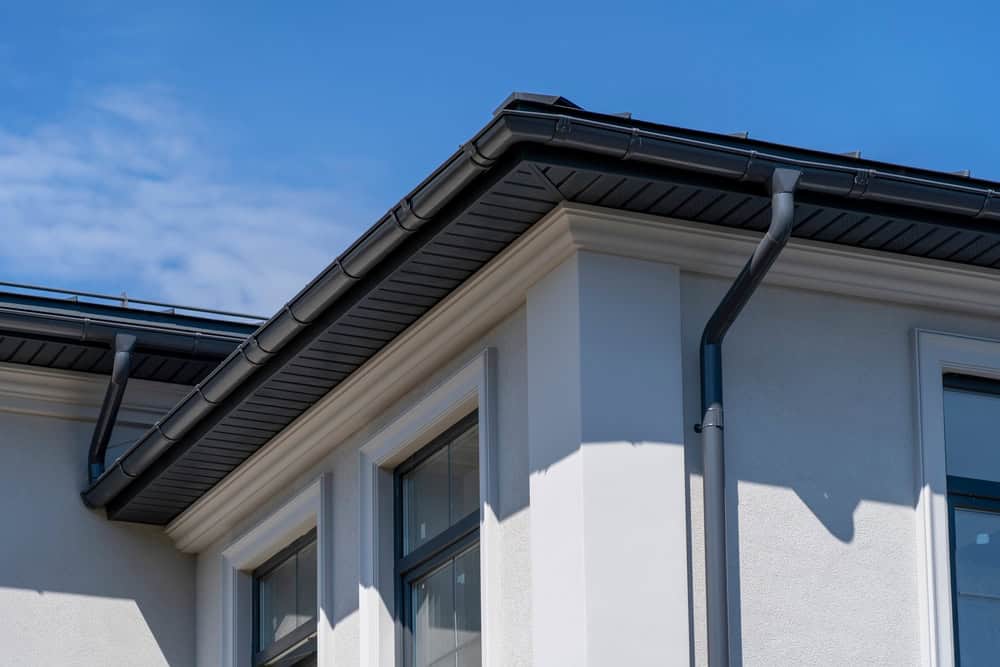
Seamless gutters are long and continuous gutters without any joints, separate sections, or seams, with any seams found only at the end near downspouts. Sectional gutters are made by snapping or welding each piece of metal into place, and unlike seamless gutters, you can see where each section connects at a seam to the next section.
Seamless gutters cost more but they are worth the extra investment for most homeowners who want long-term performance with minimal hassle.
Why Seamless Gutters Reduce Long-Term Problems
Seamless gutters are less prone to leakage since they’re just one long piece of metal rather than multiple pieces, eliminating the leak points present in sectional gutters. One of the most significant benefits is that they have fewer leaks since there are no seams and less chance for water to escape through joints, which can be a common issue with sectional gutters.
The maintenance advantages are equally important. Seamless gutters require less maintenance and are far less prone to clogs since there aren’t any seams that leaves and debris can catch on. Without seams, debris can wash right through rather than getting caught.
Seamless gutters are a far more durable option compared to sectional gutters, with a lifespan of over 20 years even with very little maintenance, and are more capable of dealing with strong winds, rain, and snow. The system is far less likely to have leaks or other damages because of the lack of weak points such as seams and joints, and avoiding leaks protects your home from water damage while saving time and money on maintenance.
Seamless gutters enhance curb appeal since they’re perfectly fitted to your home’s dimensions, are extremely pleasing to the eye, and are smooth and elegant with no seams, adding sophistication and class that sectional gutters can’t match.
The installation process requires professionals, but this ensures proper fit and performance. Seamless gutters are custom-made to fit the house and are not DIY friendly like sectional gutters, requiring an expert to make them on-site using a portable rollforming machine and professionally install them.
For areas with challenging weather, the benefits multiply. For climates with a lot of rainfall, seamless gutters will last longer and have less leakage, and the more rainfall in a region, the more important it is to have strong gutters.
When Sectional Gutters Make Sense
Sectional gutters can be a DIY project, and while seamless gutters must be professionally measured and installed, sectional gutters can be done by a capable homeowner as long as you know what you’re doing, without requiring specialized equipment. One of the primary benefits is their ease of installation, as they’re designed to be DIY-friendly, making them accessible to homeowners who want to take on gutter installation or repairs as a home improvement project.
Compared to seamless gutters, sectional gutters are often more budget-friendly, with the upfront cost of materials and installation typically lower, making them an attractive option for those with limited budgets. One of the main benefits is their lower initial cost, with materials and manufacturing processes being less expensive, making them budget-friendly for many homeowners.
However, the long-term costs tell a different story. Sectional gutters are more prone to leakage since seams connect each piece to one another, making the chance of a break causing a leak much more likely, with so many more moving parts and higher chances of damage over time compared to seamless gutters.
The seams in sectional gutters can become weak points over time, leading to leaks, and these joints can wear down or separate, especially in harsh weather conditions. Non-seamless gutters typically require more maintenance, with seams collecting debris and leading to clogs that need frequent cleaning to ensure proper water flow.
Traditional gutters require frequent maintenance with repairs and replacing damaged sections, don’t hold up as well in severe storms where they can separate at seams, and last 10-15 years compared to seamless gutters which can last 25 to 100 years depending on material.
The decision often comes down to priorities. Sectional gutters might be better if you have a tighter budget for your project, while seamless gutters cost more initially but should be thought of as a long-term plan since they don’t need as much fixing over time, saving money for those in their forever homes.
Making the Right Choice for Your Home
The best gutter system for your home depends on your specific situation, budget, and long-term plans. The choice between aluminum and copper gutters ultimately depends on your specific needs, preferences, and budget, with aluminum being a practical and affordable option offering durability and corrosion resistance suitable for most residential properties.
Copper gutters provide unmatched elegance, longevity, and a distinct patina that develops over time, ideal for homeowners seeking a premium and timeless look. For most homeowners, aluminum seamless gutters offer the best balance of performance, cost, and longevity.
Consider your local climate, maintenance preferences, and how long you plan to stay in your home. If you’re dealing with severe weather patterns, frequent storms, or want minimal maintenance, investing in quality materials and seamless construction pays dividends over time.
When you’re ready to move forward, work with us at Heritage Gutter & Exterior Solutions to ensure your new gutter system is properly designed and installed for your home’s specific needs and your area’s weather challenges.